As financial systems continue
to align with international standards, the practical understanding of IFRS 9
has become a key priority for banks and financial institutions. In response to
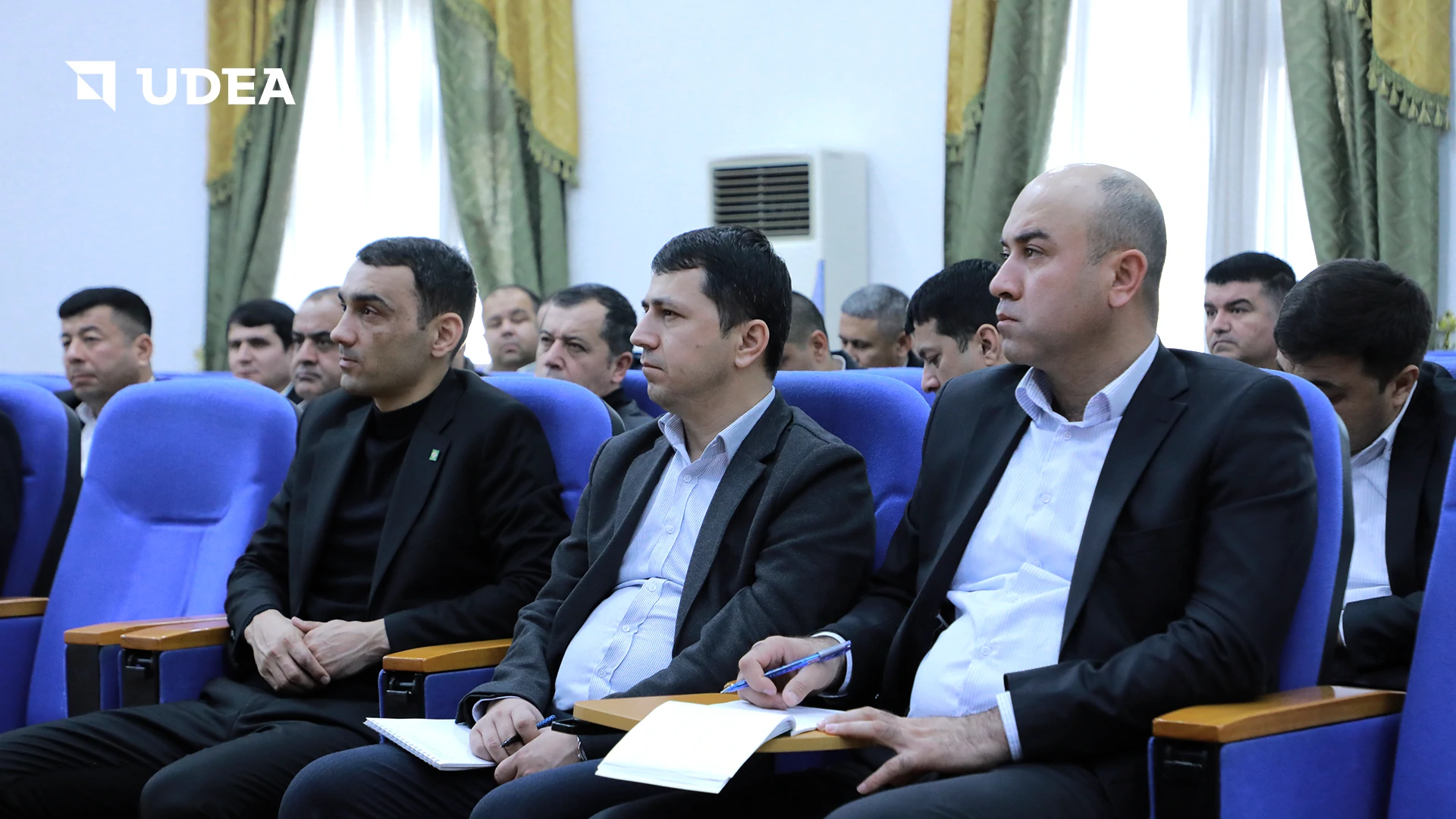
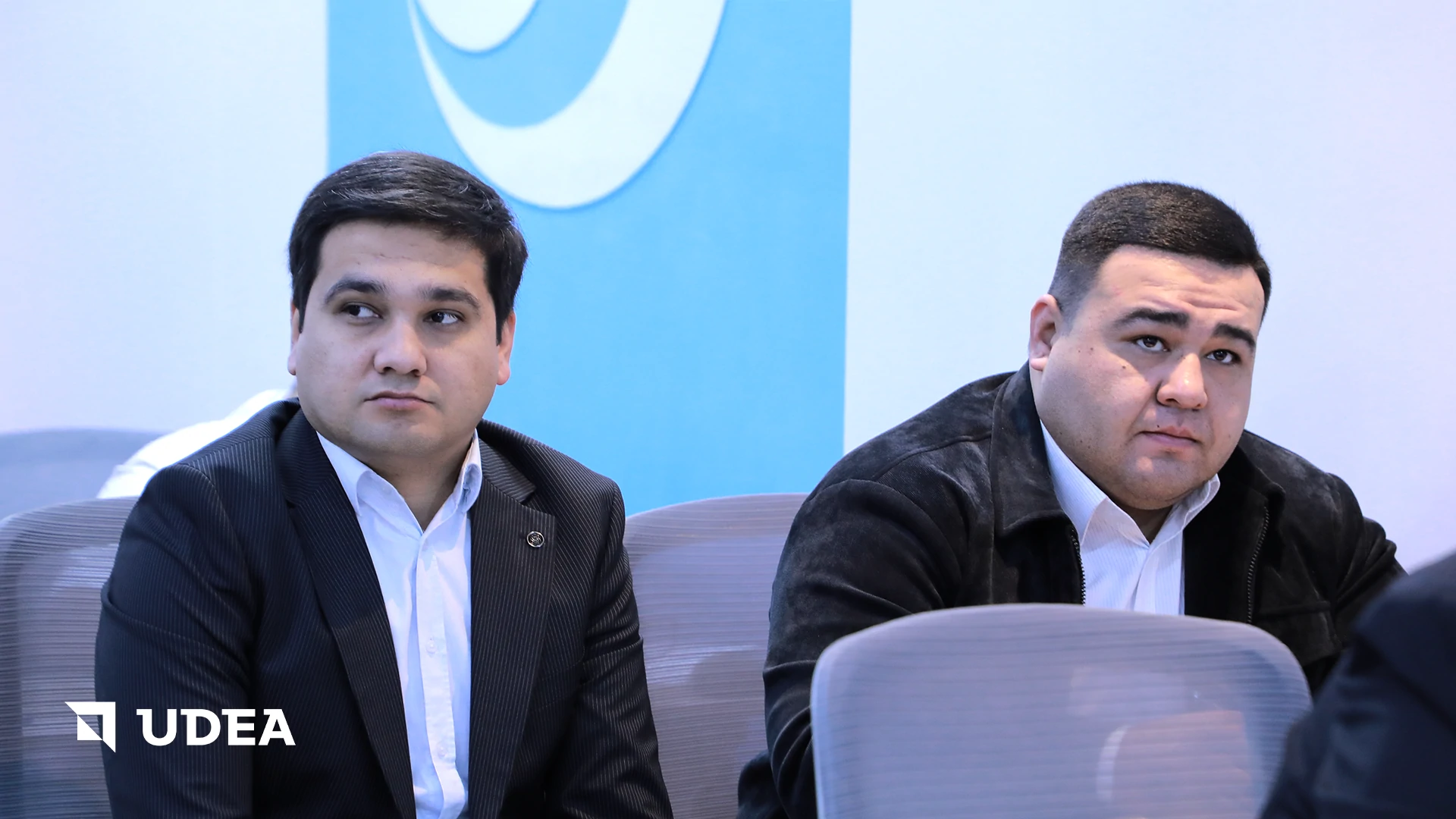
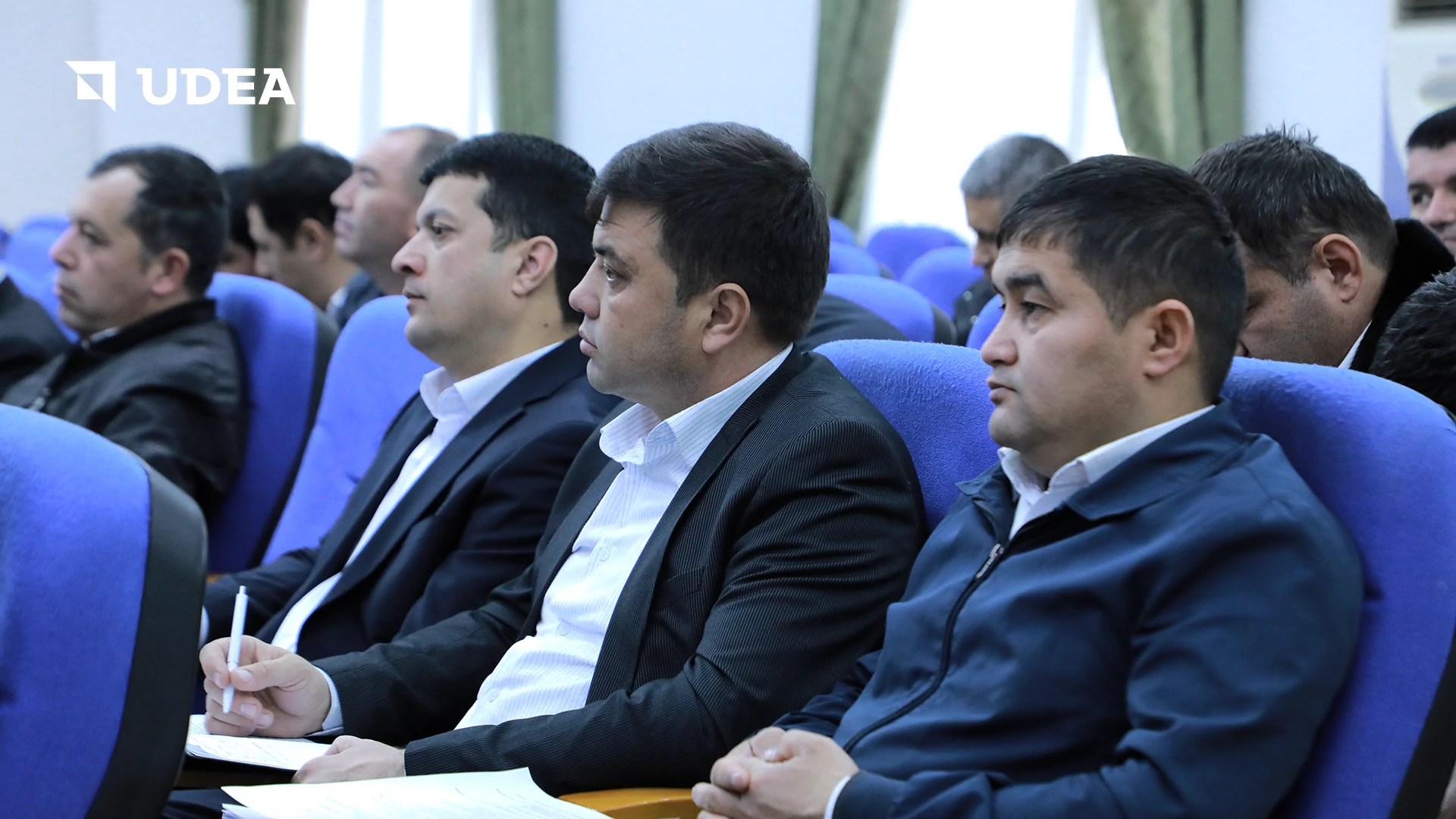
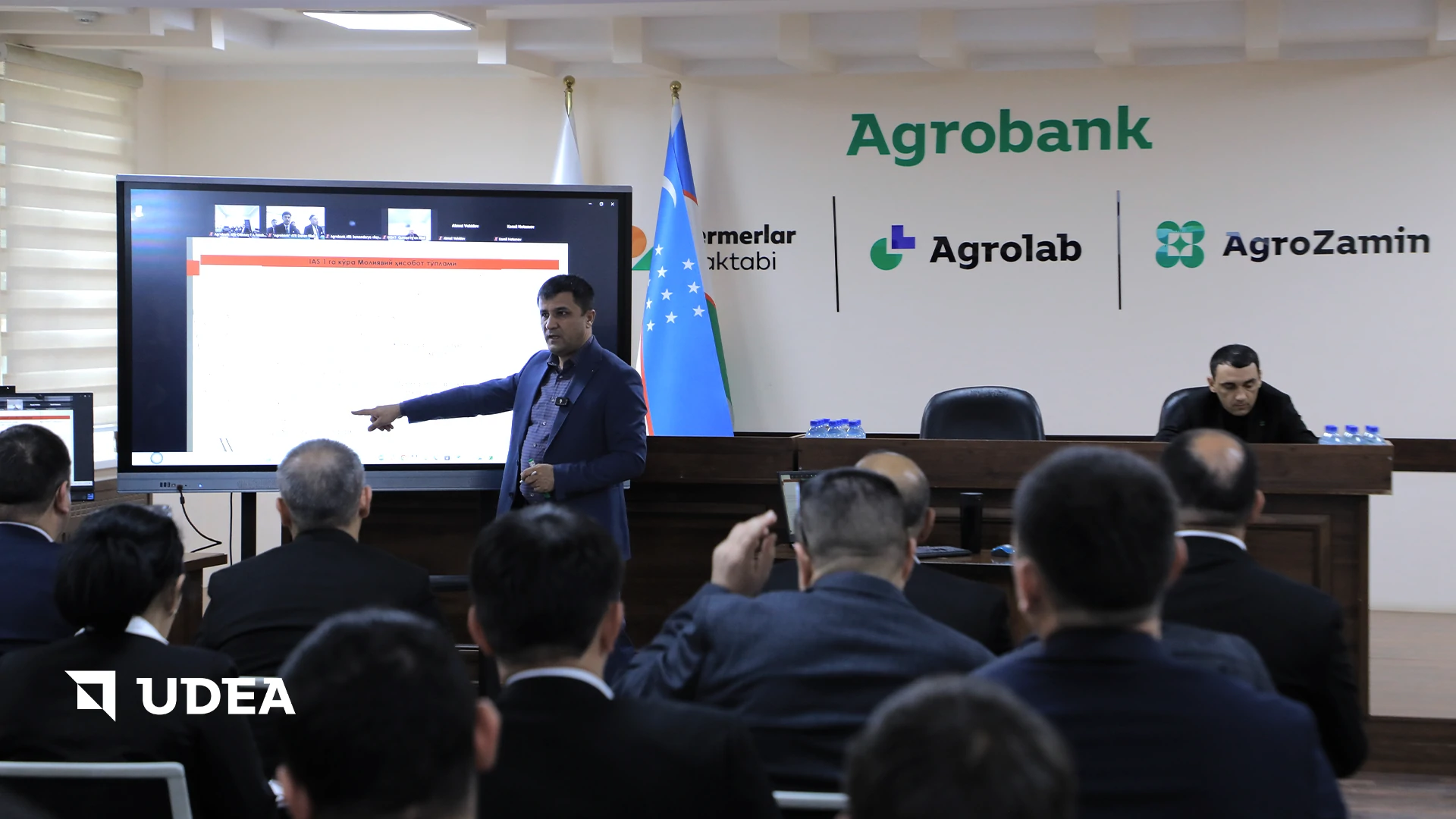
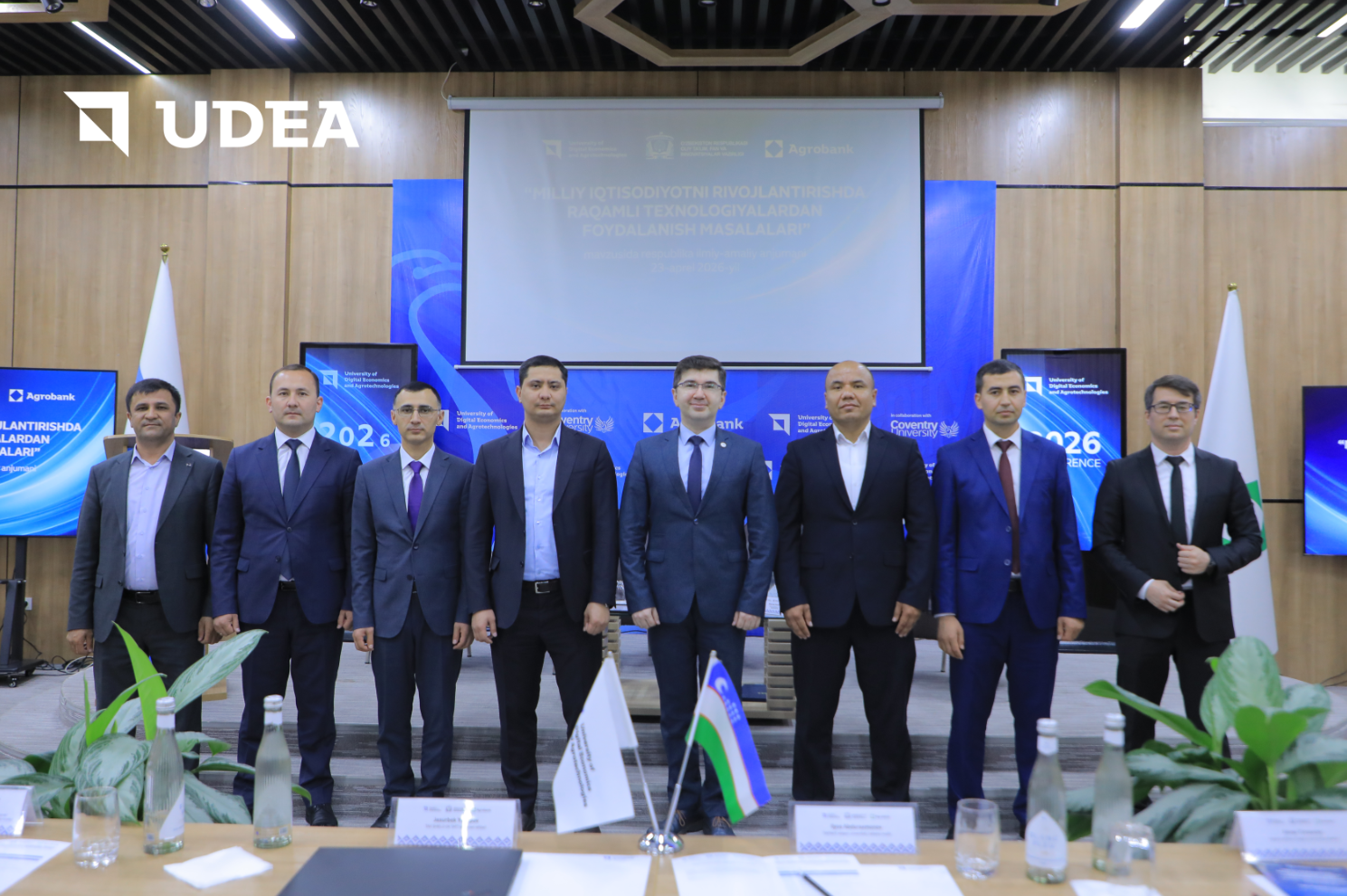
this need, UDEA organized a series of professional training seminars on IFRS 9
across multiple regions of Uzbekistan, creating a valuable platform for
learning, discussion, and experience sharing.
The seminars were held in all
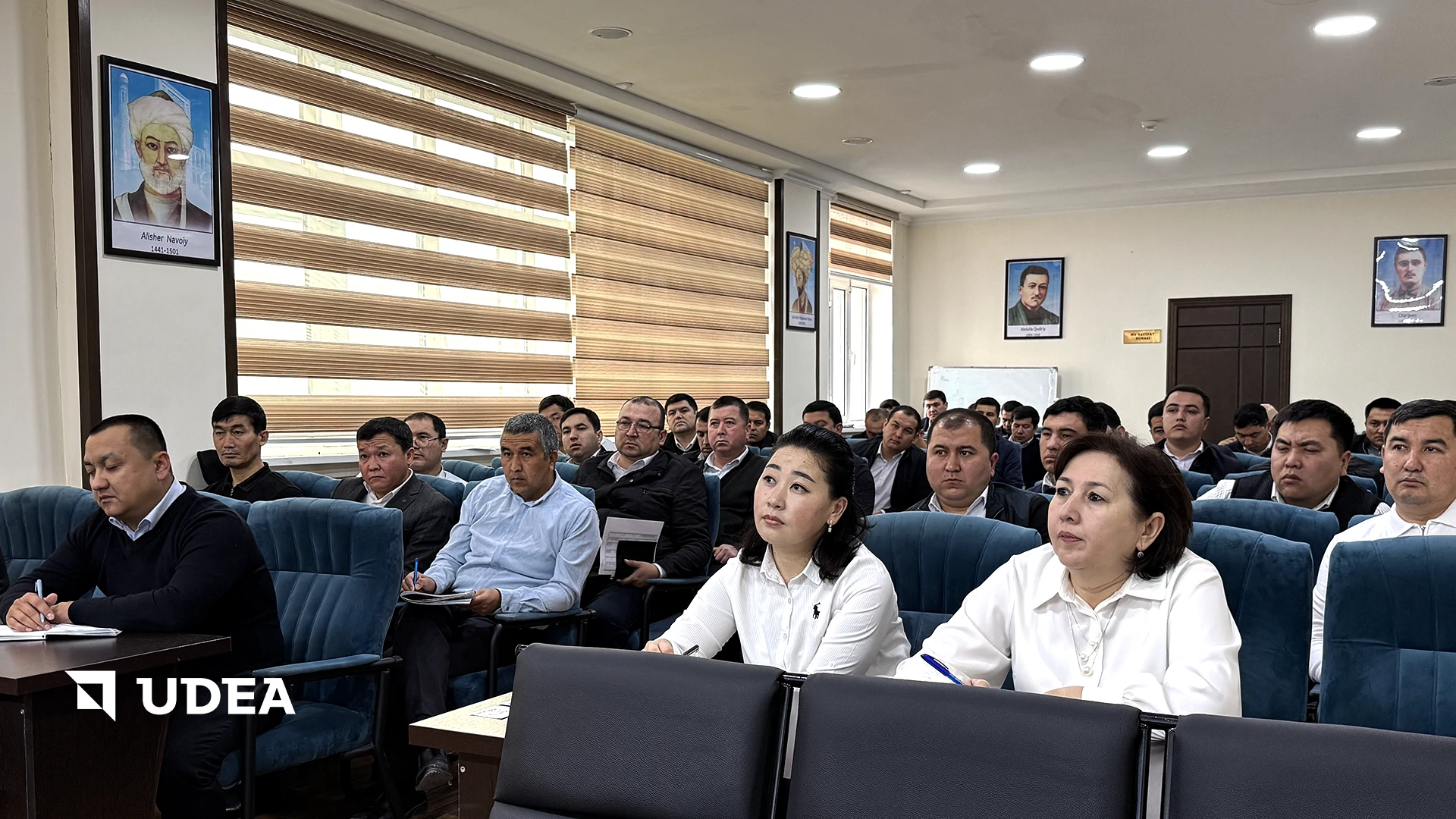
regions, as well as in the Republic of Karakalpakstan. Each session brought
together banking professionals eager to deepen their understanding of
international financial reporting standards and their application in everyday banking
operations.
Where theory meets real
practice
Rather than focusing solely on
theory, the training sessions were designed around real banking scenarios.
Participants worked through practical case studies related to credit risk
assessment, expected credit loss (ECL) models, credit portfolio analysis, and
the overall impact of IFRS 9 on financial stability and decision-making.
Complex concepts were
explained in clear, accessible language, allowing participants to better grasp
how international requirements can be effectively adapted to the local banking
environment. This approach helped bridge the gap between regulatory standards
and real operational needs.
A practical approach to risk
and decision-making
Special attention during the
seminars was given to risk evaluation, financial resilience, and improving the
quality of financial decisions. Trainers emphasized how IFRS 9 influences not
only reporting practices, but also strategic thinking within banks — from
credit issuance to long-term portfolio management.
By grounding discussions in
real work processes, the seminars encouraged participants to view IFRS 9 not as
a formal requirement, but as a practical tool that supports transparency, risk
awareness, and sustainable growth.
Knowledge that reaches the
regions - impact that reaches the system
Holding these seminars across
different regions ensured that professional knowledge was not limited to
central offices alone. Instead, local banking specialists gained direct access
to international best practices, strengthening institutional capacity at every
level.
Through this nationwide
initiative, UDEA continues to contribute to the development of professional
expertise in the financial sector, supporting the effective implementation of
international standards and fostering a stronger, more resilient banking system.
UDEA — We guide you to a
brighter future!